
Yes, I know it’s a film, but man, I have THOUGHTS! I may not be a film critic but I am a thinking human being.
Also, SPOILER ALERT but not really because if I tell you this film is about a lesbian affair set in the 18th century between an aristocrat about to be married off to an Italian merchant and her portrait painter you can basically tell how it’s going to end.
Before I begin, I would just like to say I’d love to hear what female audiences have to say about this film because I feel like it will resonate differently–if only subtly–from a female point of view, so please let me know in the comments! Also I’ll be including a lot of screenshots from the movie because it’s beautiful.
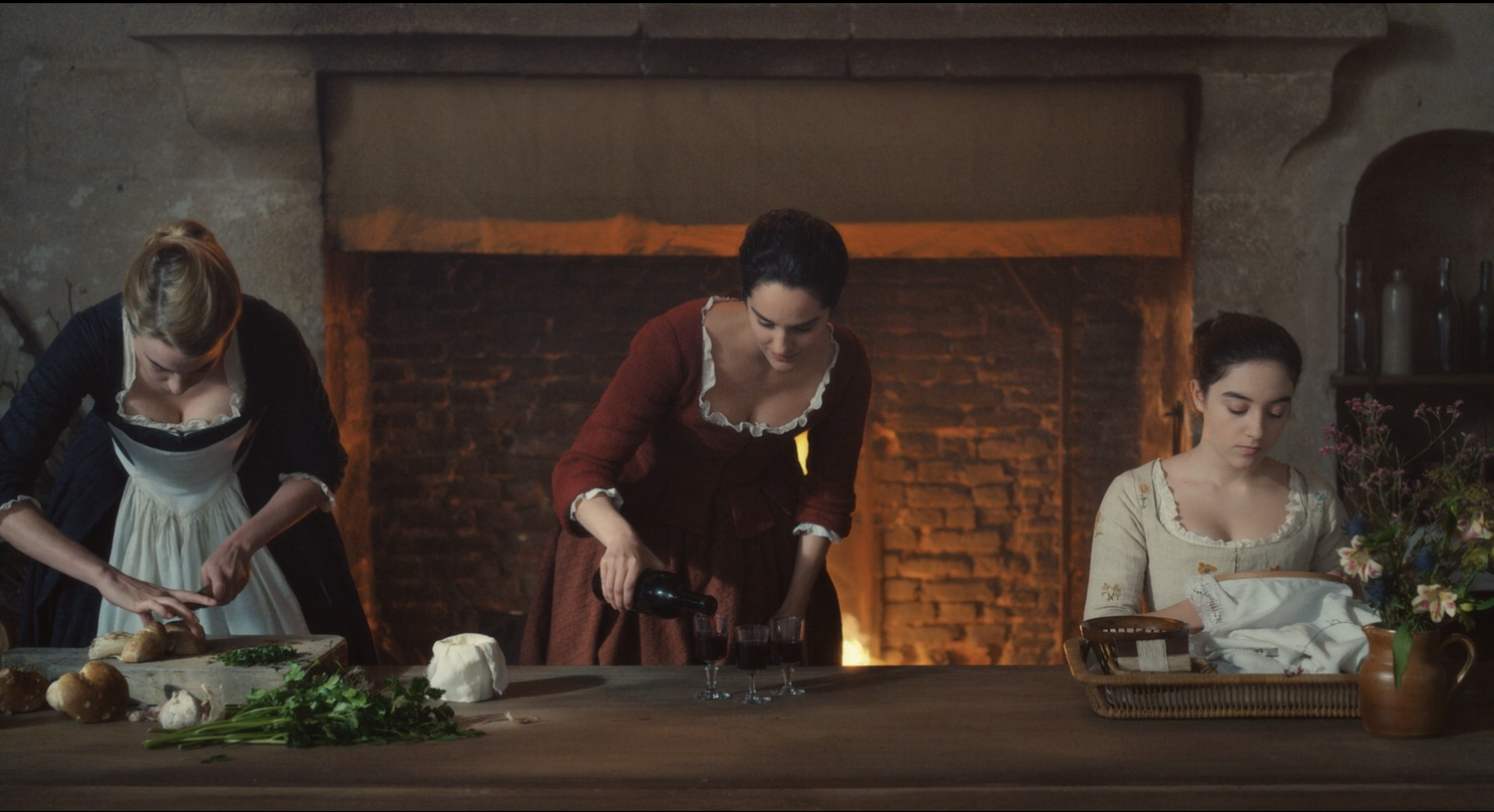
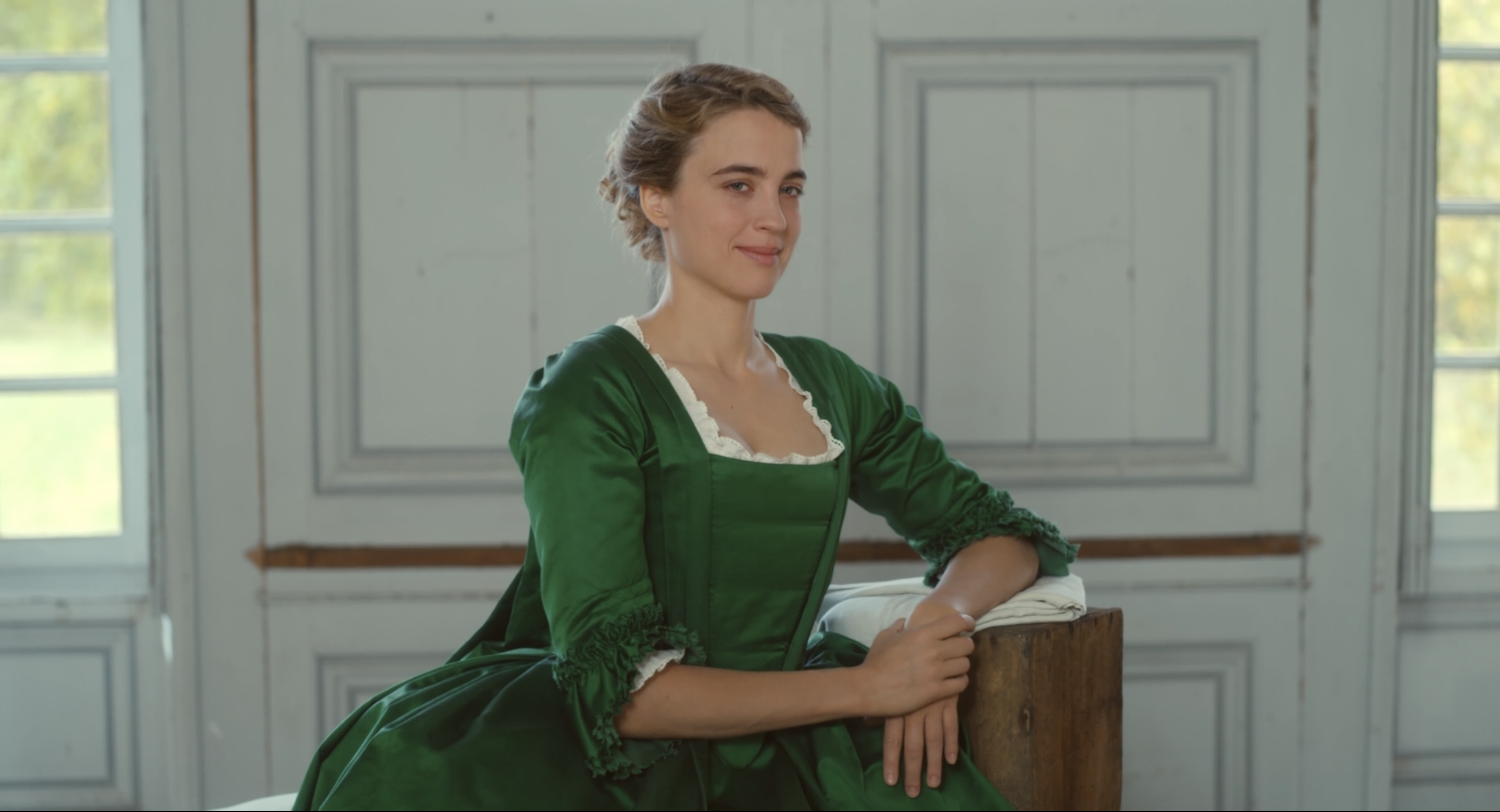
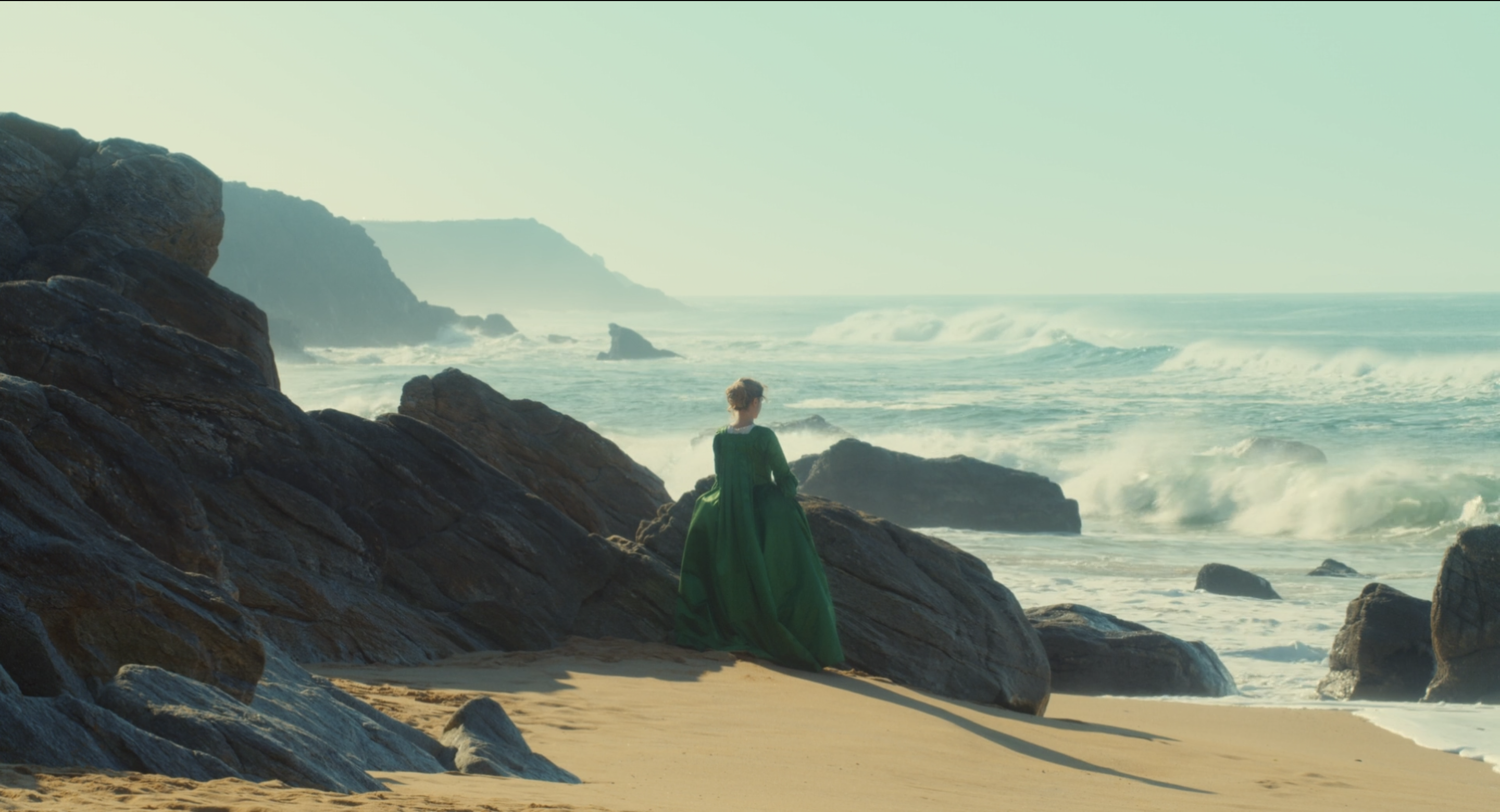
- It’s so beautifully made. The film is about a painter trying to paint a portrait of a woman, but the film doesn’t just show a painter painting; it becomes a painting, a portrait of two women in love. The scenes are very nicely set up and often symmetrical; the backdrop is often like a painting. And the stark, fiery contrast between the green and red dresses worn by Marianne and Hélöise against the background of the plain walls of the house just lends the film that much more aesthetic drama and highlights the intensity of their emotions even when no words pass between them.
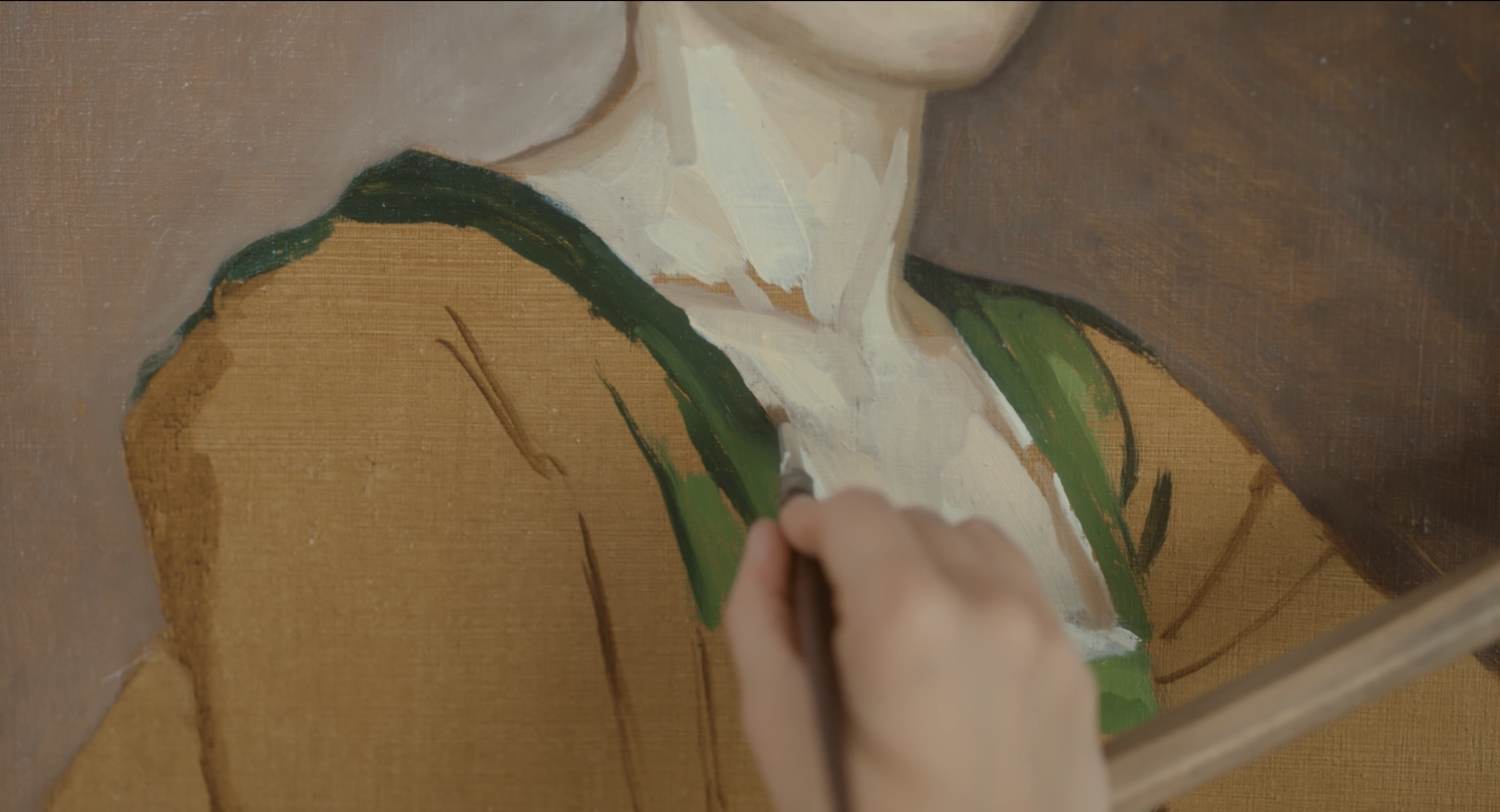
- The art is incredible. Since the story is about a portrait painter painting an aristocratic lady, you obviously need to show the painting at some point. But no, not just one painting. Marianne (the painter) burns the unfinished portrait from the painter before her, paints a new one, discards it because it doesn’t do justice to her own feelings, and paints another one to submit to the rich lady who hired her. On the side, she also paints Hélöise asleep and nude. So yeah, we get a lot of paintings. Not just the paintings in its complete sense, but also the process of painting it, and boy is it satisfying to watch a painting being painted. It’s like watching a one-minute Tasty video on Facebook but make it art. Apparently, the actual painter for the film, Hélène Delmaire, painted on set for 16 hours every day! 16 hours! Props to her, though, she has made a painting out of a film.
- There’s barely any men. Not surprising, since this is a film about women. But what makes this exclusion apparent is the fact that it is set on an island apparently isolated from the rest of the world. You don’t really know where it is, and I think that’s the point; it’s not trying to point to a specific place on earth. On this island, there are only women, and this is where they can create a world of their own. Yes, of course men step onto the island to row Marianne to shore and drop off her stuff, and then to pick them up when she has to leave, but there is definitely a sense of intrusion when they come back, not least because they are here to separate the lovers.
- There’s not much dialogue. As we like to say in Chinese, everything is 盡在不言中–what remains unsaid remains most poignant. The lack of dialogue makes the audience focus on the electrifying gazes of the two women, which creates the tension between them (they don’t get off with each other until the latter half of the film). When they do say something, it’s pretty quotable stuff.
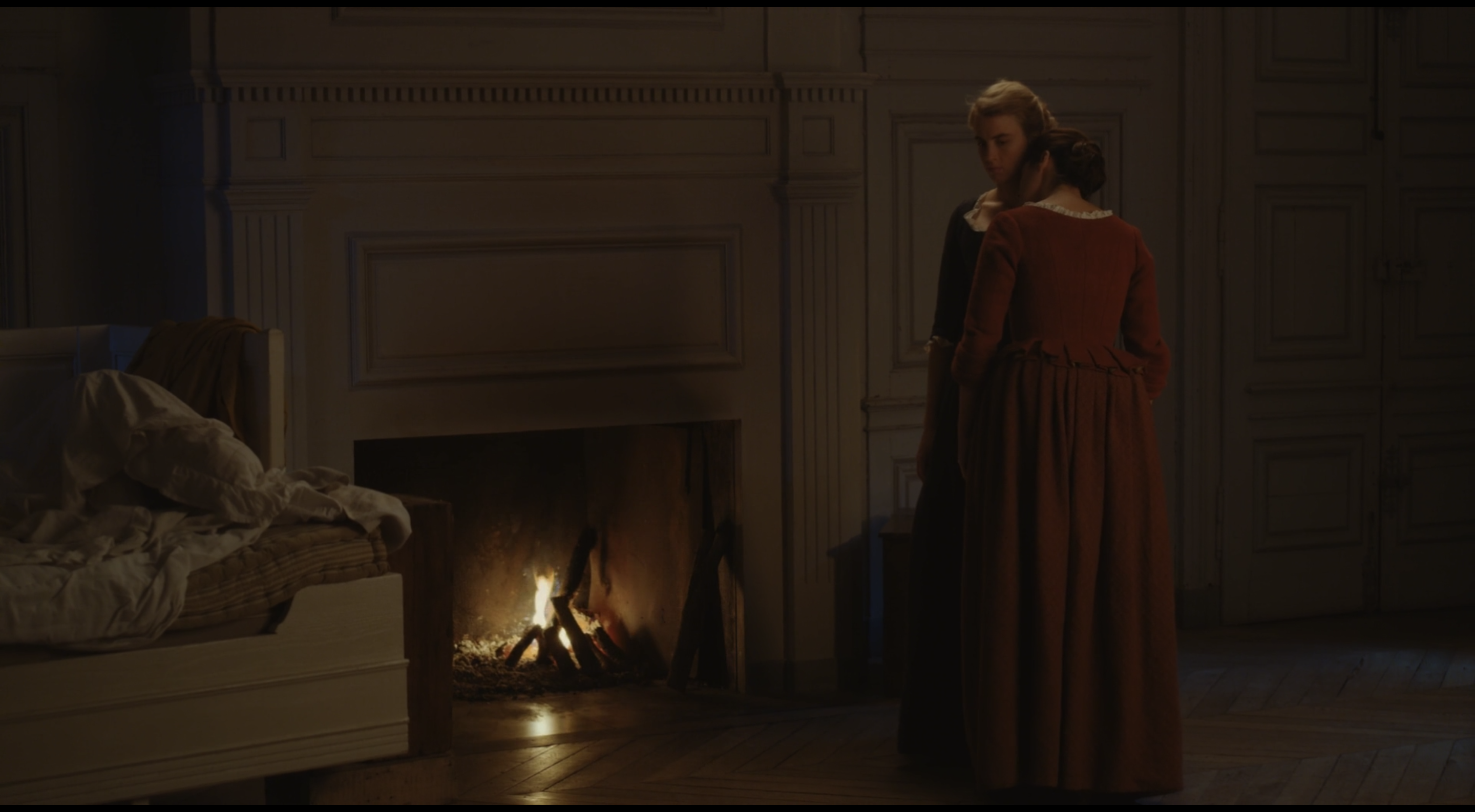
- There’s not much music. The lack of background music makes the film feel raw and very present. Unlike most period films or dramas that I’ve seen, which tries to bring out the grandeur and elegance of wig-wearing princesses through using music from that particular period, I think “Portrait” does the opposite by trying to take away the rose-tinted lenses with which we use to view history through the lack of music. We are left with the sounds of footsteps, breathing and the crackling fireplace, and in my opinion that brings us closer to these characters, eradicating the barrier between the audience and the film imposed by time. When there is music (only occurs twice, discounting Marianne trying to plod a few keys on the harpsichord) the dramatic tension is raised to feverish heights.
- I feel love. I know that sounds super cliché but I think the film has done the opposite of portraying a clichéd love affair. It feels real, and it really reminds me the feeling of being in love (oh how I yearn for that feeling while watching it). Not just love, but passion as well, its intensity increased by the knowledge that it is doomed from the very start. Also, it doesn’t portray the normal “love-at-first-sight” spark you see in movies. Pas du tout. It’s a slowly developing love, developed through a real intimacy with each other, not just guessing and flirting. The agony of wanting to grasp the moment with the lover, wanting time to stay still, is so beautiful and painful at the same time. Very relatable stuff. But as Marianne beautifully puts it: “Do not regret. Remember.” (yes I had to use subtitles)

- There’s nothing striking about the two actresses. Not really. I thought they were rather plain-looking at the beginning of the film. Yes, Noémie Merlant may look a bit like the French version of Emma Watson, but this is not a film starring Margot Robbie and Scarlett Johansson trying to make lesbianism look sexy for the male gaze. No, their love is for each other, and to be honest, they began to look more and more beautiful as they their love for each other blossomed.

- Orpheus and Eurydice. That story is central to the film. There is this scene where the three main characters sit together by the fire as Hélöise reads the story out loud. They then produce a reading of this classic story I’ve never heard of before and which, the more I think about it, seems very central to the movie itself. So listen up. Sophie says it doesn’t make sense that Orpheus would turn back right at the entrance back to the mortal world when he had been explicitly told that by doing so, his love would be taken from him forever. At first, Marianne suggests that it is because he was impatient to see his lover, but Sophie insists that it makes no sense. Marianne thinks for a while, and then suggests that maybe Orpheus didn’t want Eurydice, but the memory of her, which is why he chose to let her go, so that this moment of parting could be frozen forever. “He chose the way of the poet, not the lover”, Marianne says. At first I thought that was quite a stupid thing to do, because if you love someone, and has gone to such lengths to rescue her, why would you want to then let her go? But the more this discussion bothered me, the more I thought about it, and I realized how fitting this applied to the film itself. Especially when Hélöise chips in and suggests that it was Eurydice who told Orpheus to turn around. My first naïve thought was: is this some sort of subversive reading that shows the woman’s liberation from the man? Of course not. What I think Hélöise is suggesting is that this is a wilful farewell, a lover’s acknowledgement to the fact that the divine beauty of love happens at the most intense moment, and to preserve its beauty it must be discontinued. Yes, great beauty comes with great suffering and sacrifice. It may not be eternal in the mortal world, but because of that parting the love between Eurydice and Orpheus is preserved forever. So poetic. Now I don’t know how this reading ties in with the rest of the Orpheus and Eurydice tale, but it certainly ties in well with the film. This is reinforced at the end of the movie, when a critic casually compliments Marianne’s painting of Orpheus and Eurydice, saying it shows the parting as more of a mutual farewell than a tragic accident. In choosing not to resist the immense social forces that might come their way were they to continue with their love, Marianne and Hélöise are able to preserve the beauty of their week-long love affair forever. And you can tell, in the final scene of the movie, even though they do not look at each other, that the feeling is mutual. And if we think about it, painting is a way of capturing this beauty. It freezes the moment in time, adding in one’s own subjectivity to the scene, and allows this moment to live on forever. Yes, Marianne may be angry about the official portrait she did for Hélöise, because she feels as if she is giving her up to another. But the truly memorable portrait isn’t the one she gives away; it’s the one we see at the very beginning of the film. And in a very meta way, the film itself, “Portrait of a Lady on Fire” is, as I have mentioned before, a portrait of this love. The very nature of fire is that it is ever-changing, and it is fleeting; it is also associated with destruction. But this fleetingness and this destructiveness can sometimes give birth to a divinely beautiful moment, worth trying to capture forever. In any case, we know that the love between Marianne and Hélöise never cooled. I notice I am ranting, and I am not sorry about it. You may say this whole thing about capturing beauty through separation is very tragic, but let me ask you: what can a pair of lesbian lovers in the 18th century–one an aristocrat and the other a painter–do about it? Not much, is the answer. If they want to preserve their love.
Again, this is me, not knowing a lot about films but really loving this one, ranting. I’m aware that I observe things from a male point of view, and this film portrays things from a point of view that is wholly different from my own. For me, it is beautiful and special, but I’m sure it will resonate differently with others and speak volumes to them. I would therefore love to know what your opinions are. Let me know in the comments (if you’ve made it this far in the post)!
All photos are screenshots from the movie “Portrait of a Lady on Fire”. I do not own the rights to them.
 Literally Left-handed
Leave a comment