
As a musician, you’re often asked to send in headshots for auditions, concert promo, competition press and job applications. Once in a full moon, you look at the jpegs and think, wow, who is that guy with the short cropped hair? Certainly not me. Or: that pimple on my forehead is–fortunately–no longer my representative, and I must get this rectified at once.
Who do you then go and find for new headshots? A photographer. Now imagine if every musician in London–hell, in the UK–goes through a cycle of needing new headshots at different times. And while headshots are an essential part of a musician’s survival kit, so are concert photos, where the musician’s dramatic fervour is captured, frozen in time and uploaded onto a fancy website.
The business that is the classical music industry is lucrative enough to spawn a sub-species of photographers who call themselves the musician’s photographers. Among them, with his distinctive style and prodigious output, Matthew Johnson stands out.

Matthew did not start out with a dream to become a musician’s photographer. He was a trained cellist who studied music at undergraduate level. He has a penchant for chamber music, especially quartet rehearsals which combine wine with sightreading Haydn string quartets. The camera had been a hobby since childhood.
“As a kid I did photography for fun. It punctuated my summer holidays and time off. I would pick up the camera once a year and forget about it,” a nonchalant Matthew told me on our Zoom chat. Through the computer screen I could see framed photographs on his bedroom wall. The bookshelf was lined with books on photography interspersed with the occasional cookbook. A vintage film camera (I forgot the model) lay on his bed. A cello case was perched in the corner.

To lighten its implication, the lack of employment has been turned into a running joke among music students. To afford music scores, transport and the occasional night out, music students often turn to teaching for some income. Matthew, on the other hand, turned to photography.
Or rather, photography turned to him. “In my second year of uni, a friend asked me to do some headshots for him. Up till then, I hadn’t done any portrait photography. Sure, I put up pictures of pretty flowers and nice views on Instagram, but that’s about it.” He gave a resounding “no” to his friend.
“But then he offered me fifty quid for it, and so I said ‘go on, then’.”
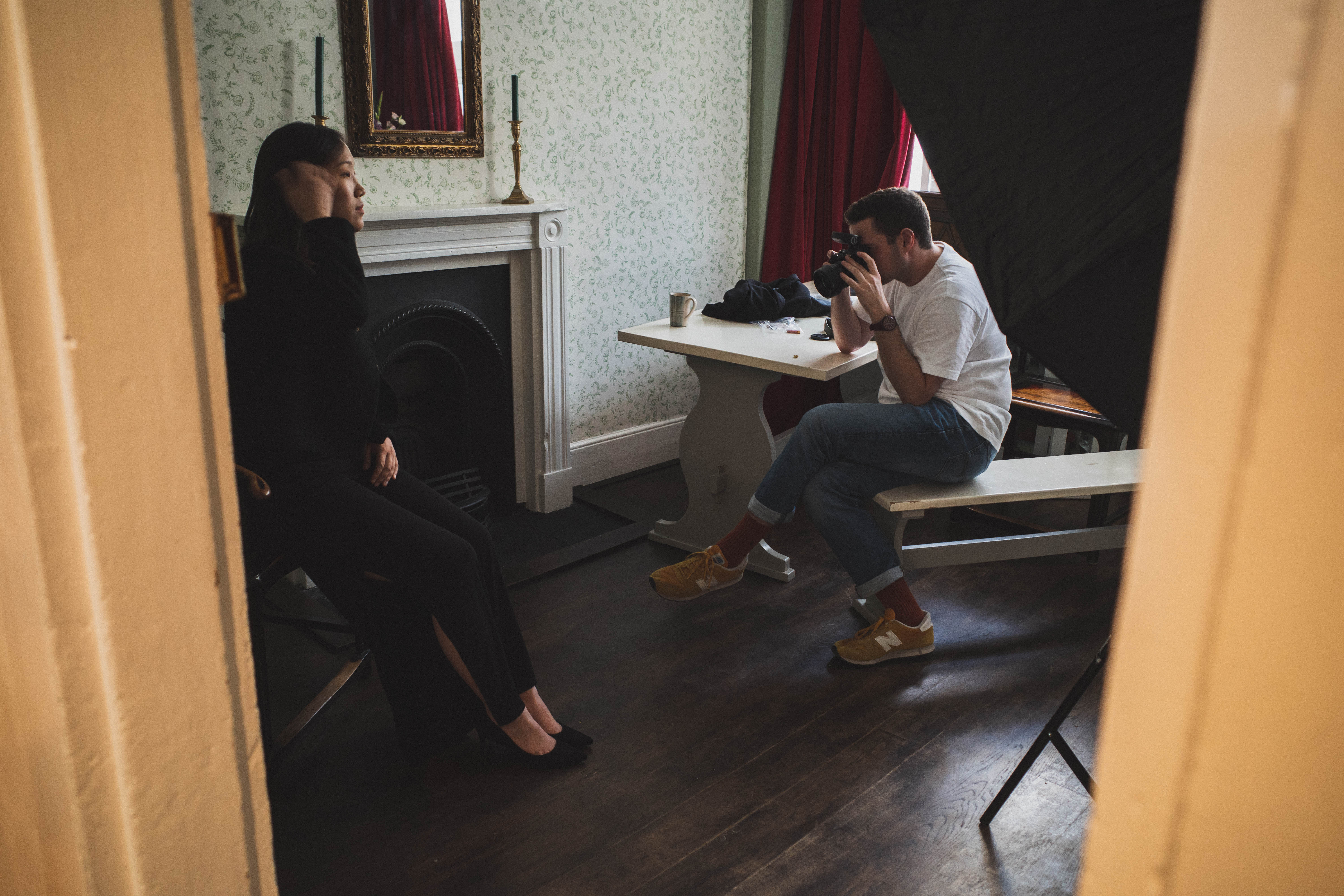
One headshot blossomed into a few more, and eventually Matthew was booked by a festival to photograph them for the entire duration of two weeks.
“All that time I was still playing the cello and had no desire to do anything but.”
It was after he had done one audition for postgraduate studies that Matthew felt he didn’t really want to pursue a career as a professional musician. By that time, he was doing a lot more photography and earning a lot more through it than from performance opportunities.
“I realized I was probably much better at photography than playing the cello and I think I enjoyed it more,” he said in that characteristically nonchalant manner of his.
And so, a hobby which became a side hustle became a profession. Matthew spoke of it as if he was shrugging off one jacket and putting on another coat.
But of course, it was not as easy as Matthew humbly made it sound like. Disaster struck in the form of COVID during his first year living in London as a full-time freelancer. Live music ground to a halt and the government subtly hinted that musicians should start looking for alternative career paths.
“I am a by-product of classical music, so if classical music doesn’t happen I don’t get paid.” Despite the discouraging start, Matthew persisted and honed his already developed photography skills while panic reigned over the country, and as live music gradually returned he emerged on top of his game.
The musician’s photographer
Being a musician’s photographer is so much more than taking nice photos of people and posting them on Instagram, whether they be still portraits or shots of live concerts. It involves a good deal of organizing and promoting. Branding himself as a musician’s photographer is one way of that.
“It just means that I know the proper concert etiquette, and that’s a great guarantee for people,” Matthew said, referring to his experience in photographing live classical concerts. To have to tread silently around the stage, taking care not to offend the silence around the reverenced music of Bach and Mozart, I suppose Matthew must have the feet of a ballet dancer’s.
“It’s also good to have a niche,” Matthew admitted.
One of the perks of photographing live concerts is that Matthew, as someone who appreciates classical music, gets to enjoy live concerts. “And I notice that the quality of the performance affects my photography. I am inspired by the music. If the concert is really good, I probably take more photos and better ones.” Music continues to inspire Matthew through his camera lenses, and his work becomes artistic and creative endeavours.
“I learned through experience, and now I’m quite comfortable directing large numbers of people at a shoot.”
The photographer’s job is to capture the energy of fleeting moments. In a live concert setting, the photographer takes on a more passive role, riding the waves of energy created by the musicians. In a portrait photoshoot, it is up to photographer to summon the energy within the musicians who, without being able to play their instruments, may sometimes feel a bit naked and vulnerable in front of the camera lenses.

“It was definitely scary at first,” Matthew admitted, reflecting on his first photoshoots. “It’s like doing a first recital. You may have all the repertoire prepared down to a tee, but there are still things you can only learn onstage, like dealing with nerves and memory lapses.
“The pressure of professional photoshoots was very different from the casual ones I did for friends. But I learned through experience, and now I’m quite comfortable directing large numbers of people at a shoot.”
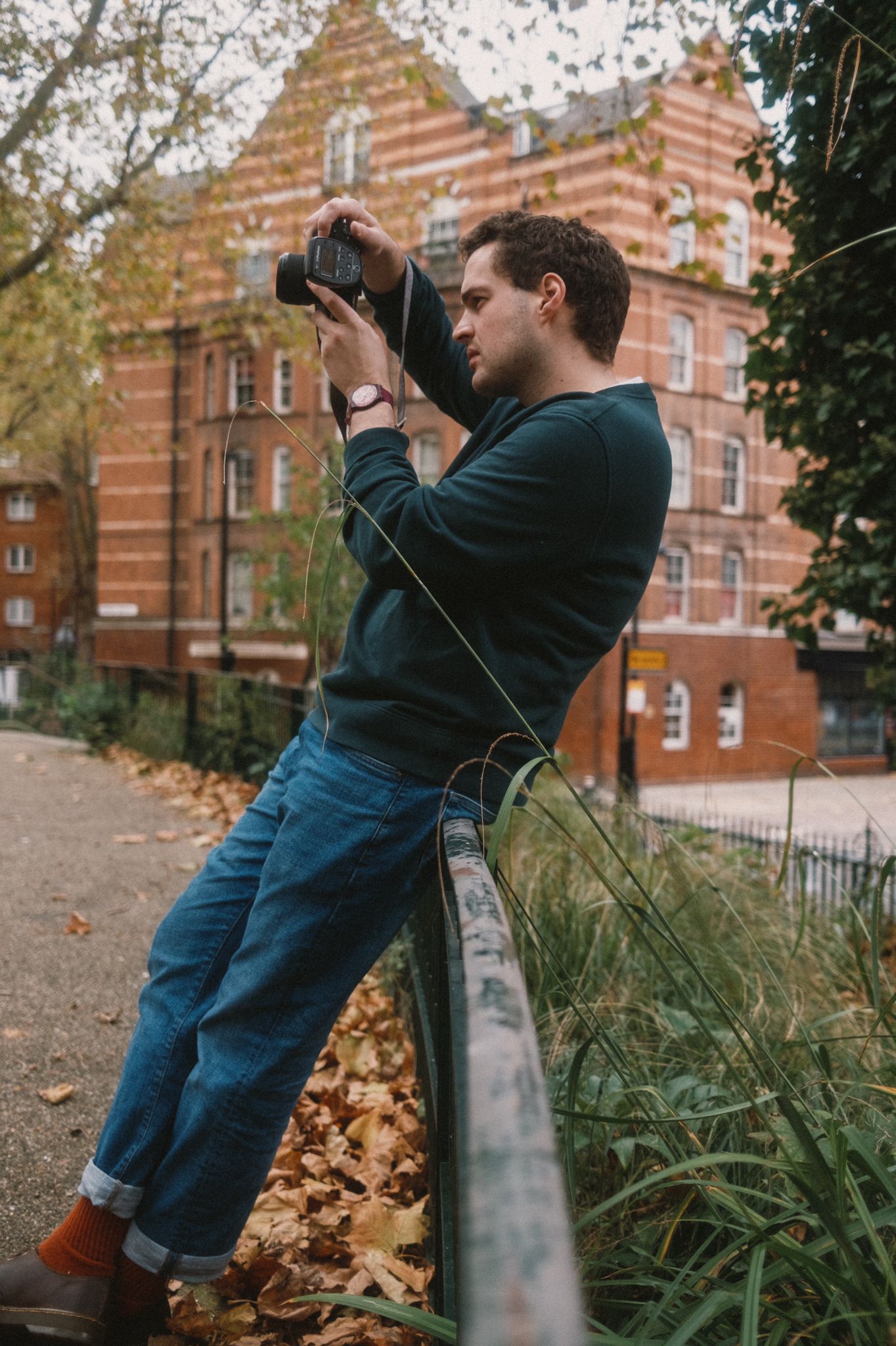
Getting uptight classical musicians to relax is one of the main challenges of the photographer which has absolutely nothing to do with handling a camera; I know that from firsthand experience. Matthew laughed. “I just talk shit at them. Eventually they get a bit bored, let their guard down and you can see the shoulders drop. Then I start directing them, telling them to turn this way, face me, etc.
“I want them to be their natural selves with me. I don’t flatter them.”

Keeping the momentum of the shoot is also essential. In that sense, the photographer is akin to a conductor, maintaining the flow of creativity. Something Matthew learned through experience was that creativity has its peaks and troughs within the three-hour slot he normally gives each portrait shoot; “the model can get bored or tired too, and when he or she does the facial expression is not that intense.” The important thing is to harness this knowledge and take full advantage of the peaks.
Sometimes this would mean taking a more authoritative stance as a director of the shoot, something the rather easygoing and sociable Matthew isn’t very used to. I tried asking him what it was like working around musicians of great prestige and the “high and mighty” of society, but he casually diverted the conversation, calling himself a “fly on the wall”. Despite coming into close contact with great classical musicians, none of the pretentiousness which sometimes afflicts the age-old art form seemed to rub off onto him. I had a feeling he had always been this nonchalant.
More than a musician’s photographer
Of course, Matthew doesn’t only restrict his lenses to concert halls and musicians. On his website, you can see photographs from various non-music-related projects such as Cyclists of London and “Café de l’après-midi”, which is a black-and-white documentation of the streets of Paris. As photography evolved from hobby to side-hustle to profession, so Matthew’s holiday pastime became a medium of artistic expression. Much like musicians, as a creative he must continue to seek for inspiration in order to better himself.
“I find a lot of my friends very inspiring. Whenever I see some of their works which I think are very good, and I feel like I’m rubbish again, it makes me think: how can I be better?”
“One of the living photographers I really admire is the photographer Gabrielle Motola. I had a few mentoring sessions with her over lockdown; she’s really supportive.” Motola, known for her portraits, casts her portrait subjects in the environment they come from, and so her photos always have a great sense of narrative to them.
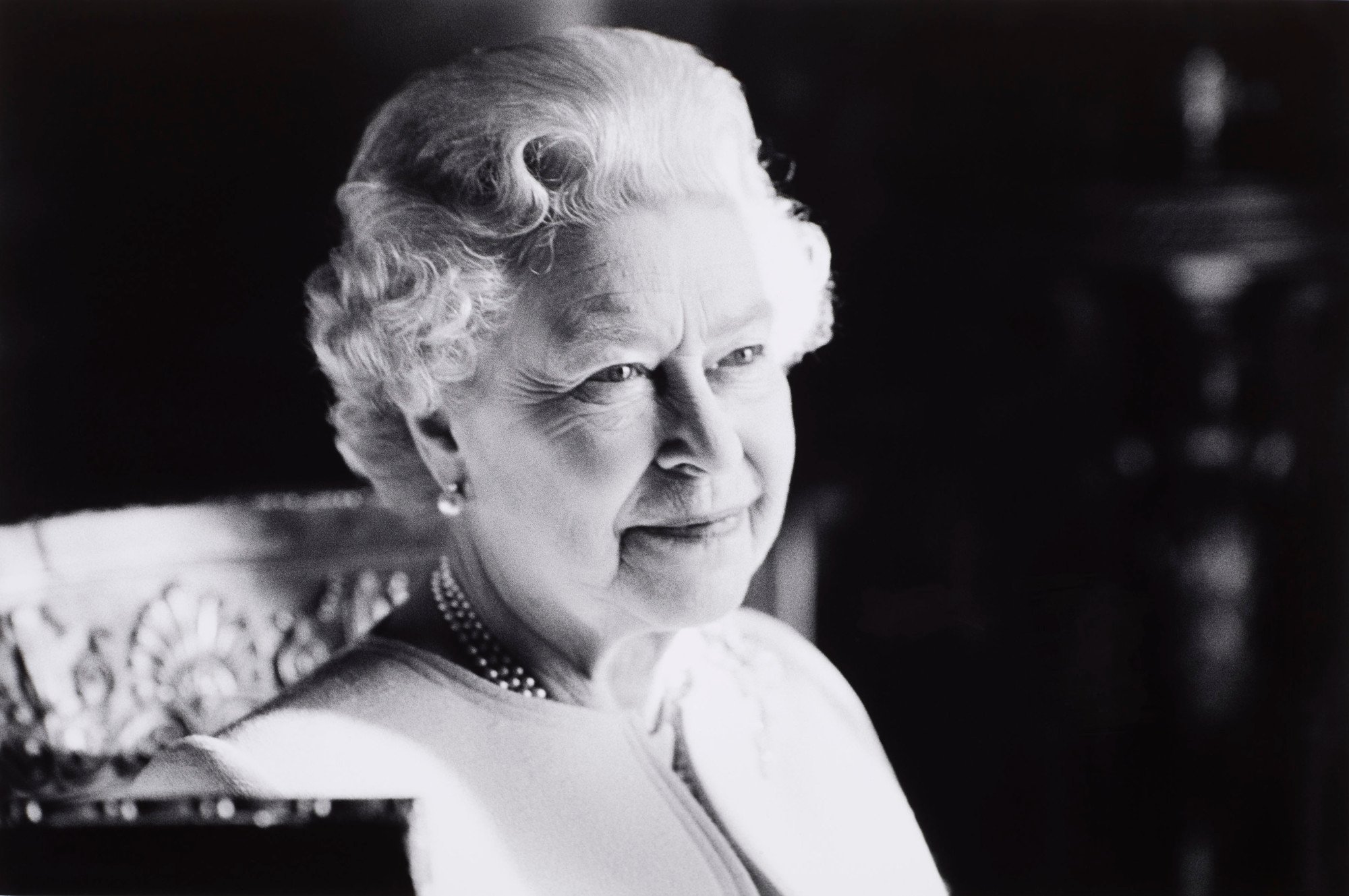
“Another big inspiration of mine is the deceased Jane Bown, another portrait photographer.” Jane Bown worked for the Observer, and had taken the portraits of many great personalities, including the late Queen Elizabeth II.
According to Matthew, a lot of what inspires him is also what puts him in his place. In that sense, being creative is about being humble.
“I find a lot of my friends very inspiring. Whenever I see some of their works which I think are very good, and I feel like I’m rubbish again, it makes me think: how can I be better?”
I can relate to that. Listening to Matthew talk about his own personal artistic endeavours outside of his profession reminded me that even if artists seen from the outside are free-spirited people, the people at the top of their game are always hardworking and self-critical. We only show our best work which we’ve slaved over in perfecting.
“I’ve got hard drives full of personal work that no one has ever seen.” Outside of taking portraits of musicians, Matthew continues to build up his personal portfolio. Sustaining personal projects outside of work requires a great deal of motivation, but for Matthew, being a creative is about being restless for work.
“It always kicks me into gear whenever I feel like I could be doing more work. But of course, it’s not uphill all the time; sometimes I do feel a lack of creative direction. I am conscious of the fact that I need to be always improving in order to be creative.”
I asked how he continued to nourish his hunger for creativity apart from looking at others’ photos.
“I’m obviously active on Instagram. I join photosharing circles and printswaps, as well as sessions where photographers share their photos and offer criticism to each other. Photography’s a lonely profession. You don’t meet other photographers when you’re working, not like musicians, especially when you’re on a shoot, you only work by yourself, so it’s more effort to meet fellow photographers. But it’s important to be connected with like-minded people.”
Listening to Matthew speak enthusiastically about his personal work underneath his public portfolio of professional portraits, I am conscious of two main aspects of creativity which are seldom spoken of: discipline and hunger for work. Keywords normally associated with art are “inspiration”, “emotion”, “freedom” and “genius”, but to continually sustain them one must also have the support of great motivation and great restlessness.
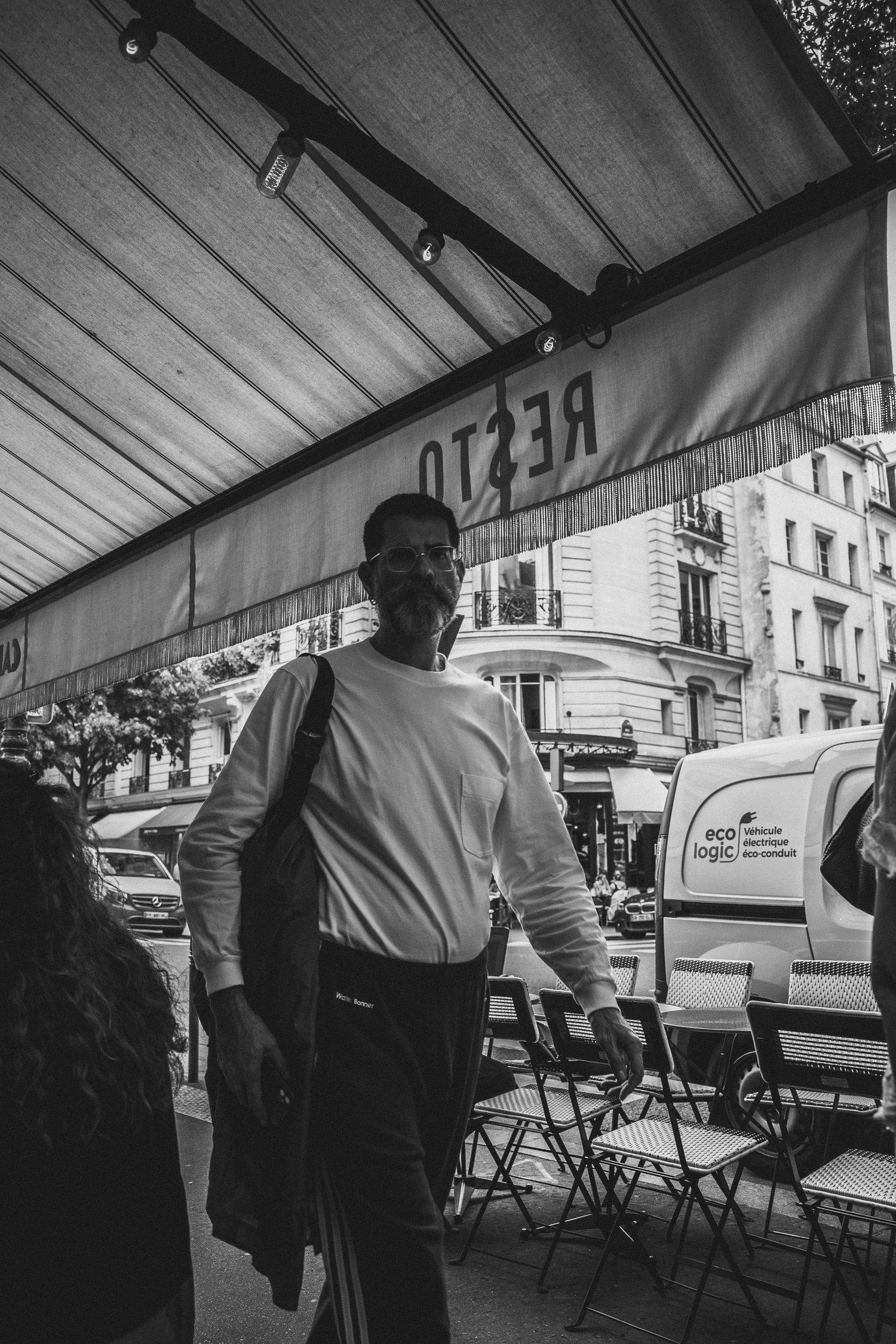
It seems to me that for all his professional success, Matthew still very much thinks of himself as being on an educational journey rather than having reached a professional helm at which he is content.
I look forward to seeing more of his personal work go public.
“I’d love to be called a photographer rather than a musician’s photographer.”
You can order a copy of his most recent publication, the zine “Café de l’après-midi” here.

You can see more of Matthew’s work at his website: https://matthewjohnsonphotographer.com/
Cover photo credits to Felix Pilgrim.

 Literally Left-handed
Leave a comment