Programme:
- Daniel Kidane Sublime Light from Pieces of Light (2020)
- Daniel Kidane Toward Resolution (2009)
- J. S. Bach Concerto in A minor for Violin, strings and continuo, BWV 1041
- Daniel Kidane Movements (2021)
- Daniel Kidane Breathe (2022)
Interval
- Daniel Kidane Veiled Light from Pieces of Light (2020)
- Daniel Kidane Foreign Tongues (2015)
- J. S. Bach Fantasia from Fantasia and Fugue in C minor, BWV 906
- J. S. Bach Concerto in E for Violin, strings and continuo, BWV 1042
- Daniel Kidane Be Still (2020)
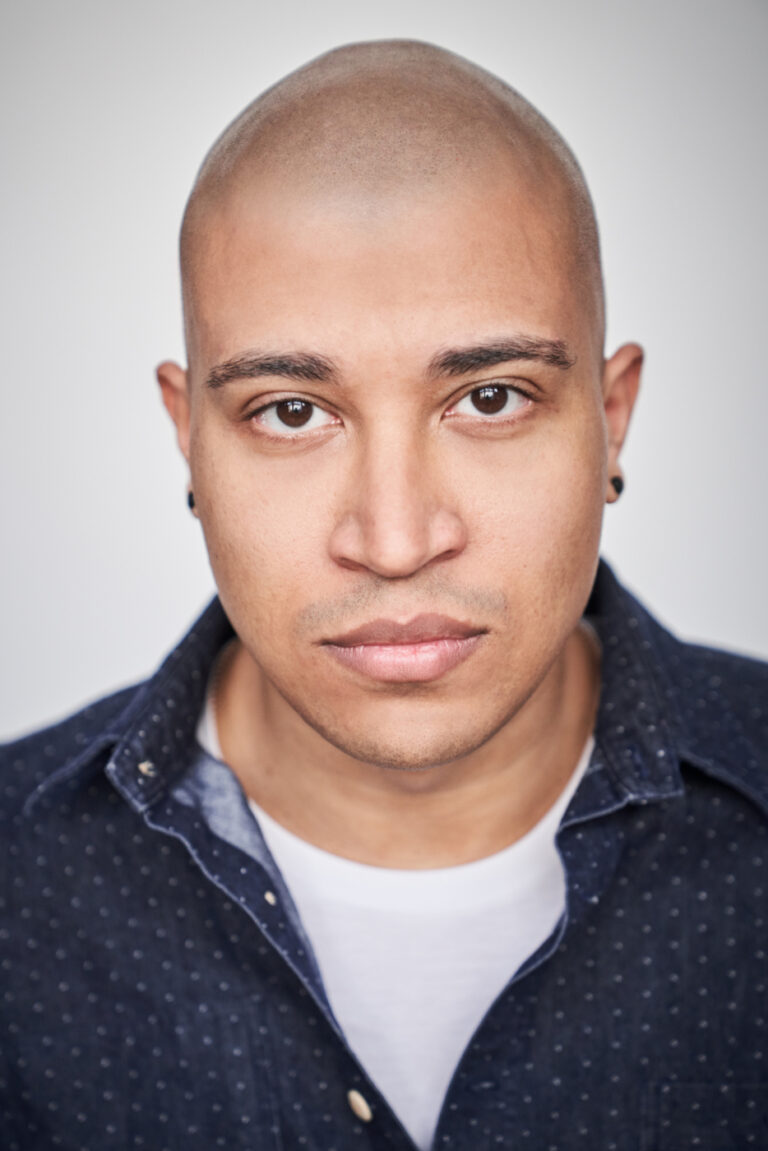
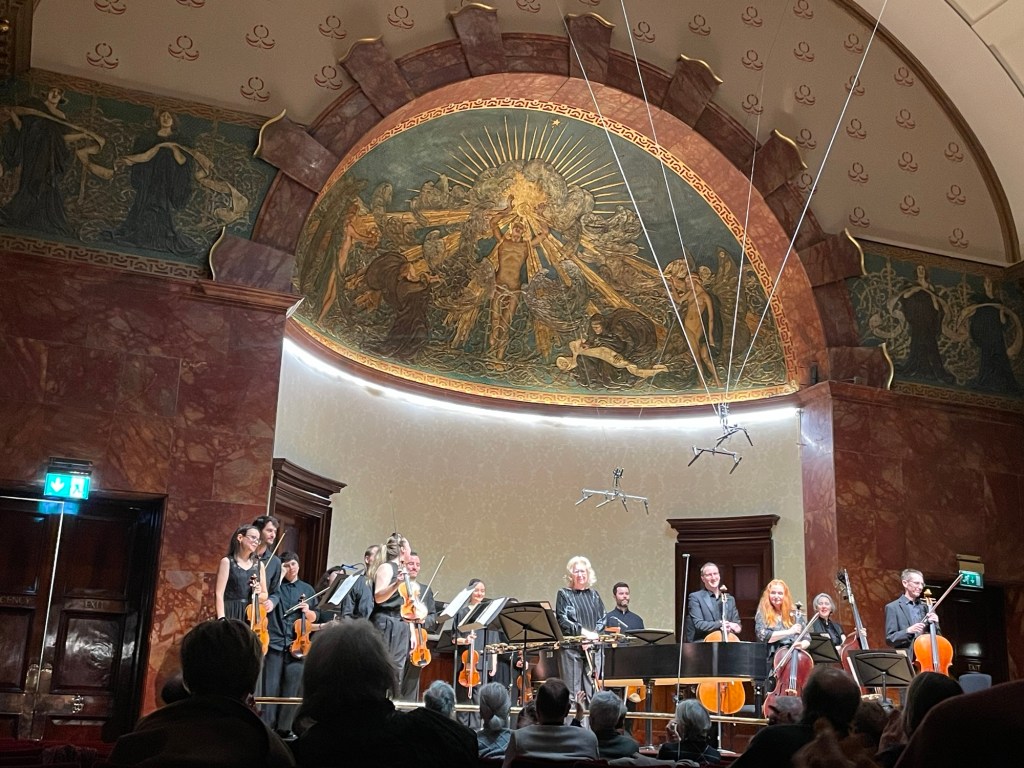
In the final concert of the Daniel Kidane Focus Day at Wigmore Hall, the Manchester Camerata presented works by the British composer which highlighted his creative dialogue with Ye Olde Grand Master of classical music, Johann Sebastian Bach, as well as his affinity for the string sound.
The programme juxtaposed Daniel Kidane’s compositions–the majority of them composed during or after the COVID pandemic–with Bach’s two violin concerti as well as the Fantasia from Fantasia and Fugue in C minor performed on harpsichord.
Kidane’s very brief triptych Pieces of Light were split into its individual pieces which bookended the concert, with Jonian Ilias Kadesha opening with “Sublime Light”, starting the second half with “Veiled Light” and, joined by Caroline Pether, performing “Dappled Lights” as an encore. However, it was the larger scale pieces of Kidane that made more of an impression on me. Even though their dates of publication were close in proximity, the compositions were all very different from each other. Despite its abstract title, Movements had an extremely strong narrative drive, strengthened by an exciting rhythmic energy, brought to life by Mahan Esfahani’s strong musical leadership at the harpischord. The second movement, with its humourous use of pizzicato reminiscent of Benjamin Britten, really kept us on the edge of our seat as the players onstage navigated the tricky yet exciting rhythmic complications. The fourth movement, which sees the folia musical theme unfold nobly as high-register strings prance about in nervous motifs, reminded me of Prokofiev, creating a strange sense of expressive harmony by uniting two seemingly incoherent elements. Nevertheless, despite provoking associations with other composers, what really came across in his music was Kidane’s strong sense of communication, and through that his creative voice shone through most distinctly.
Alternating Bach’s music with Kidane’s also showed how much he drew from music of the Baroque master to create his own unique sound. He scored his Movements and Breathe for roughly the same instruments as the Bach Violin Concerti, and his music contain traces of chorales and flavours of 16th-century fantasia, yet it never sounds at all like pastiche; rather, Kidane skilfully drew from the past to enhance the expression in his own music, forging his own unique voice in a modern world filled with different voices. The directness of his expression, how willingly he invites his listeners into his soundworld, felt very refreshing.
In contrast to the more narrative Movements, Breathe and Be Still focus more on sound exploration, highlighting a more introverted and meditative aspect of Kidane’s musical voice. In that side, he has also found his trademark sound, so to speak, which I can only describe as shimmering harmonies in the strings, calling to my mind the passing glare of sunlight refracted in a glass window, ever-shifting and ethereal. There was something otherworldly in this music. This otherworldliness was especially the case in the final piece of the concert, Be Still, which made use of the very shimmery timbre of the crotales, an instrument I had never heard before.
It was also interesting to see Kidane’s earlier compositions–Towards Resolution (2009) and Foreign Tongues (2015)–programmed alongside his more recent ones. I could definitely see his greater and deeper understanding of the string orchestra in the more recent compositions, reflected in the boldness and confidence in the string writing of Movements. One also notes the distillation of expression towards a purer and more direct energy which caught the audience’s attention from the very first notes.
A very nicely programmed concert which not only brought variety but also demonstrated how Daniel Kidane, a composer of our times, cultivated his own espressive voice by looking deeply into the past.
Article featured photo courtesy of Wigmore Hall.
 Literally Left-handed
Leave a comment