Rachmaninov’s Third Concerto. The pinnacle of pianism. The king of concertos. A name that was once an Everest for worthy pianists but now is a regular feature in concert halls, perhaps even more so in competitions. This concerto is so familiar, especially to pianists like me, that one already has certain expectations of how they want to hear it or what they want to feel.
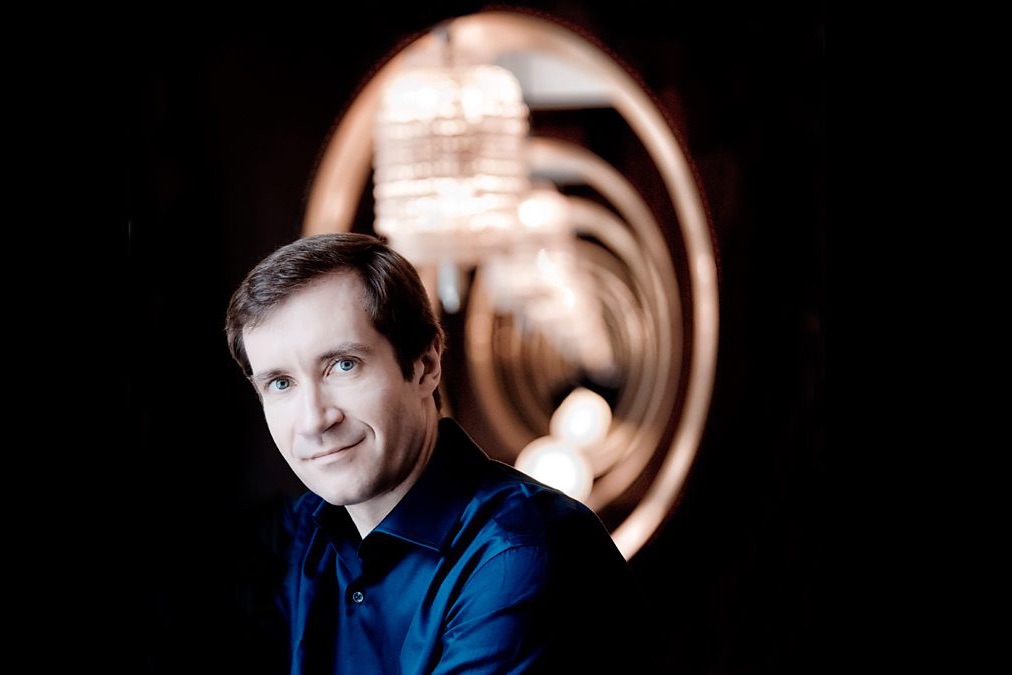
Nevertheless, Nikolai Lugansky, long hailed as a master interpreter of Rachmaninov, gave a performance of the monumental Third Concerto last night with the Philharmonia Orchestra under the baton of Carlos Miguel Prieto that challenged my ideas about the concerto, revealing to me aspects of the concerto I thought I couldn’t be more familiar with, as well as aspects of Russian pianism I found intriguing yet unfamiliar.
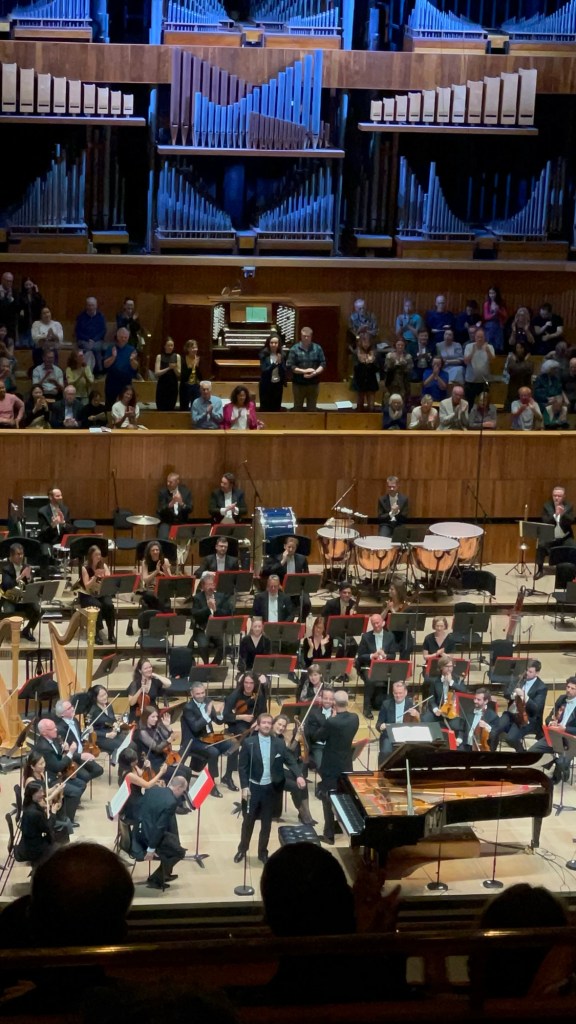
After a colourful but rather rhythmically lax performance by the Philharmonia of Ravel’s orchestration of his own “Alborada del gracioso” from the suite for piano solo Miroirs, the maestro strode into the hall in his classic tuxedo to deliver the main item on the programme.
From the very beginning where the both hands sing the haunting melody in monophonic unison until the final chords of the triumphant finale, Lugansky maintained a consistent and sonorous tone that never failed to enunciate itself above the growing texture of the orchestra. Every single note was heard with clarity and as a result the music unfolded before me in all its contrapuntal glory. Melodic lines wove around each other, overlapping and growing together into colossal proportions. Oftentimes, chords and thick textures in Rachmaninov’s music can become an excuse for “letting go”, for performing an orgiastic rite at the piano in order to dazzle the audience, but not with Lugansky. Under the fingers of the master who has performed this concerto countless times, the emotional crux of the music was refined and distilled, revealing a deep understanding of the expansive structure beneath the flurry of notes on the surface. Structure becomes not the logical proportions of German masters such as Beethoven and Brahms, but the accumulation of ever-flowing melodic lines, lines that pour from the depth of a melancholic soul.
There was a sense of aristocratic stoicism (had to steal that term from a friend!) in the way Lugansky interpreted Rachmaninov’s concerto which I believed would be much approved by the composer himself, who was quite literally an aristocrat. There he was, sat in a relaxed manner, his massive hands thundering on the keyboard producing great sounds yet also never trying to draw attention to himself. The grand, lofty sound was simply necessary to interpret music of such stately grandeur, of such latent and great emotions not to be put on display but to be probed and discovered.
What was striking to me about Lugansky’s pianism is his seemingly shying away from overt displays of brilliance and emotion. He seemed determined not to give in to the brightness of the Steinway’s top registers, and even when there are brilliant runs–which, I must mention, he executed perfectly and with unbelievable ease–he still preferred to voice bass notes or melodies that brought out something darker and more melancholic. Such preference for a dark and deep sound, bringing out obscure lines as opposed to projecting the melody, I have also observed in the playing of other older Russian masters such as Dmitri Alexeev and even Rachmaninov himself, and I wonder if this is a characteristic trait of the Russian school. Perhaps what I heard last night was more “authentic” and closer to what Rachmaninov himself would have expected, and yet I found myself yearning for a more direct sound from Lugansky, a more direct communication of the music’s emotional power to the audience.
That being said, Lugansky’s faithfulness to the music’s structure, to not letting superfluous emotions interfere with the grandeur of the music itself, led to a very moving climax in the finale in which the soloist, instead of being an egotist, merges perfectly with the orchestra to swell to even greater heights. Very often the soloist surges forward based on his own vision of the music, but Lugansky’s understanding of the Third Concerto encompasses not just the keyboard but the entire orchestra. Only a true master is able to do that, and the result of holding back oneself in the service of something greater is in the end all the more satisfying.
At the end, however, I am left wondering whether a master, while being someone who is well-versed and deeply knowledgeable in a certain field, is also by definition someone who withholds some of what they know, creating a distance between himself and those who follow him.
 Literally Left-handed
Leave a comment